The Essentials of Pickleball: Strategies, Drills, and More
Comprehensive Guide to Pickleball: Strategy, Equipment, and More
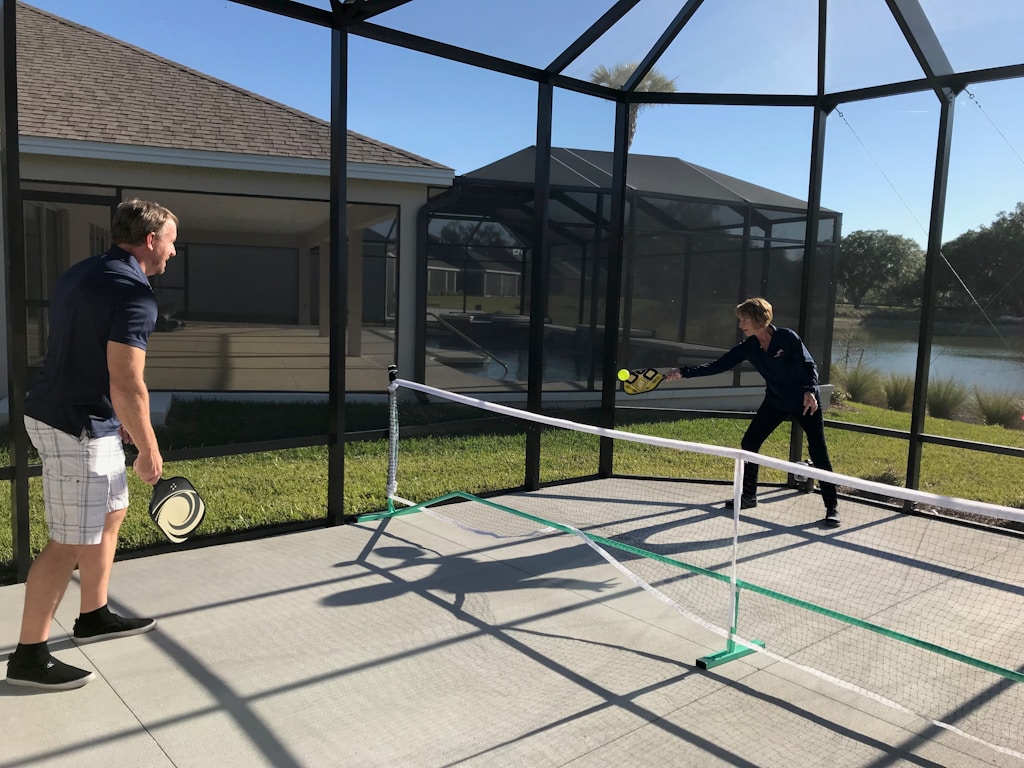
What Is Pickleball? Pickleball is a paddle sport that combines elements of tennis, badminton, and ping pong. It’s played on a smaller court with a paddle and a plastic ball (similar to a wiffle ball). It can be played as singles or doubles.
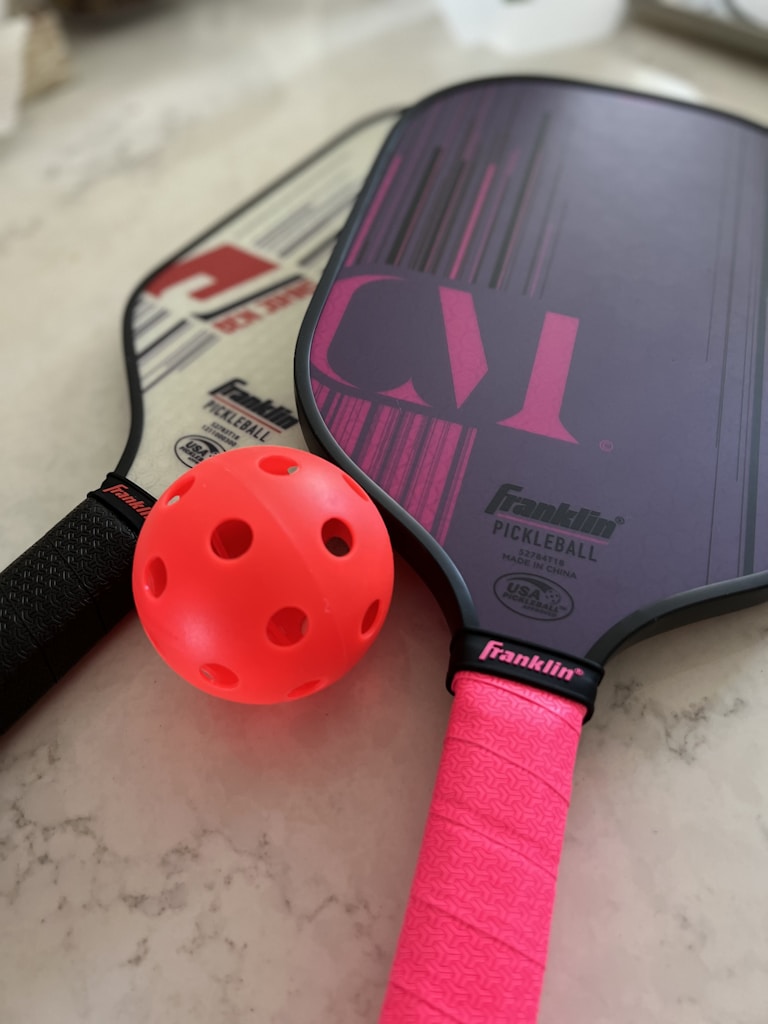
Players & Equipment Players: Singles (1 vs 1) or Doubles (2 vs 2) Paddle: Solid paddle (no strings) Ball: Plastic ball with holes Court Size: Same size as a badminton court (20’ x 44’) Net Height: 36” at the sidelines, 34” in the middle Objective of the Game The goal is to score points by hitting the ball over the net so your opponent cannot return it legally. Basic Gameplay Rules
1. The Serve The serve must be underhand Contact must be made below the waist The paddle must move in an upward motion Serve diagonally crosscourt At least one foot must be behind the baseline The serve must land beyond the non-volley zone (kitchen) Only one serve attempt is allowed (except in some casual play)
2. The Double Bounce Rule After the serve, the receiving team must let the ball bounce once Then the serving team must also let it bounce once After these two bounces, players can either volley (hit in the air) or play it off a bounce
3. The Non-Volley Zone (“Kitchen”) The area within 7 feet of the net on both sides Players cannot volley (hit the ball in the air) while standing in this zone You can enter the kitchen to hit a ball after it bounces You also cannot step into the kitchen due to momentum after a volley
4. Rallying After the double bounce rule is satisfied, players can: Volley the ball (hit it before it bounces), OR Let it bounce and return it Points continue until a fault occurs Common Faults (What Stops Play) A fault ends the rally. Common faults include: Ball hit out of bounds Ball does not clear the net Volleying while in the kitchen Violating the double bounce rule Serve landing in the kitchen Stepping on or over the baseline during a serve
Scoring Rules Who Can Score? Only the serving team can score points
Game Format Games are typically played to 11 points Must win by at least 2 points
Doubles Scoring The score is called as 3 numbers: Serving team score Receiving team score Server number (1 or 2) Example: “5 – 3 – 1”
Serving Rotation (Doubles) Both players on a team get a chance to serve (except at the start of the game) When a fault occurs: Server 1 → Server 2 → then side out (serve goes to other team)
Singles Scoring Score is called as 2 numbers (server score – receiver score) The server serves from: Right side when score is even Left side when score is odd
Winning the Game First team to reach 11 points (win by 2) wins the game Tournament games may go to 15 or 21 points
Beginner Tips Focus on consistency over power Stay out of the kitchen unless the ball bounces Aim for controlled shots instead of hard hits Communication is key in doubles
Quick Summary Underhand serve, diagonally Double bounce rule applies No volleys in the kitchen Only the serving team scores First to 11 (win by 2)